
Ageing gracefully isn’t about fighting the natural passage of time—it’s about supporting your body and mind so you can stay active, confident, and energized at every stage of life. While genetics play a role, your daily habits have an even greater influence on how you feel as you age. Small, consistent choices can help you maintain strength, mental clarity, emotional balance, and overall health. By focusing on practical, sustainable routines, you can enhance your well-being and enjoy the ageing process with more ease and optimism.
Nourish Your Body With Balanced Meals
 A strong foundation for healthy ageing begins with the food you eat. A balanced diet rich in whole grains, lean proteins, colorful vegetables, and heart-healthy fats helps fuel your body with the nutrients needed for energy and cellular repair. Many people explore options like TRT when searching for ways to feel youthful and energized, but improving your diet is a powerful and accessible step that benefits everyone. Eating mindfully, staying hydrated, and choosing fresh ingredients as often as possible support digestion, stabilize mood, and strengthen your immune system—all essential elements of ageing well.
Move Your Body Every Day, Even in Gentle Ways
Regular movement is one of the most effective ways to maintain vitality as you age. You don’t need intense workouts to stay fit; walking, stretching, yoga, swimming, and light strength training all contribute to improved mobility and longevity. Daily movement supports joint health, prevents muscle loss, and boosts cardiovascular wellness. Even short sessions add up over time and help you stay agile and independent. Consistency matters far more than intensity, so choose activities you enjoy and weave them naturally into your routine.
Prioritize Quality Sleep for Long-Term Well-Being
Sleep is a powerful tool in the ageing process, affecting everything from memory and mood to metabolism and immune function. Creating a bedtime routine allows your body to wind down and transition into restful sleep more easily. Limiting screen time before bed, keeping your sleep environment cool and quiet, and maintaining a regular schedule all help improve sleep quality. When you wake up refreshed, you’re more focused, more active, and better equipped to handle daily stress. Over time, this contributes significantly to healthier ageing.
Stay Socially Connected to Support Mental Health

Human connection is one of the most underestimated aspects of ageing well. Staying socially engaged can reduce feelings of isolation, boost mood, and support cognitive health. Whether it’s spending time with friends, joining a class, volunteering, or participating in community events, meaningful interactions keep your mind stimulated and your emotional well-being strong. Maintaining relationships also provides a sense of purpose and belonging, which becomes increasingly important as you navigate life’s changes.
Practice Mindfulness to Manage Stress and Improve Clarity
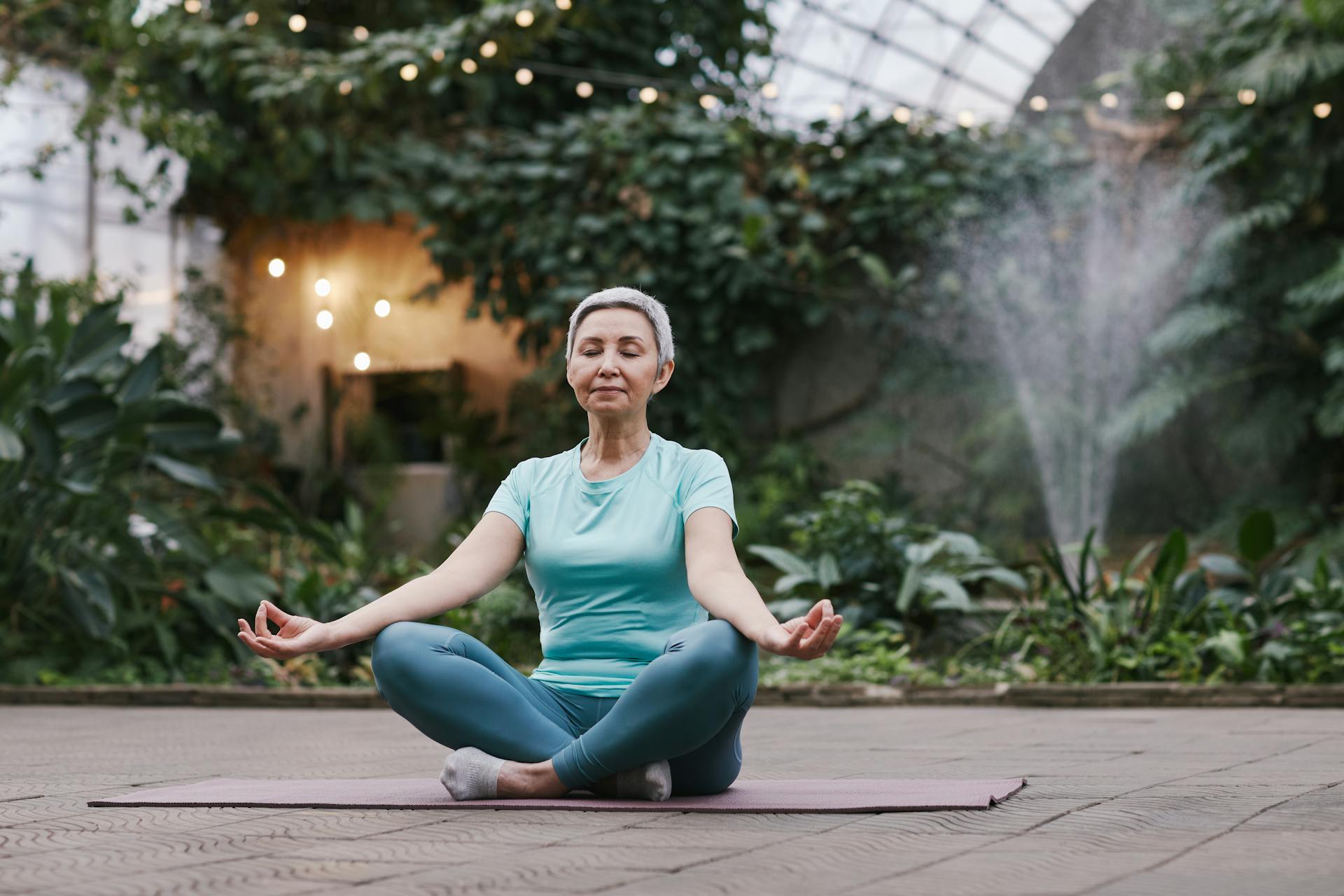
Stress can accelerate the ageing process, affecting your physical health and emotional balance. Incorporating mindfulness into your daily routine can help you calm your mind, stay present, and build resilience. Simple practices like deep breathing, meditation, journaling, or quiet moments of reflection help reduce tension and bring a sense of peace to your day. Over time, mindfulness strengthens your ability to handle challenges, enhances focus, and supports overall mental clarity—key components of graceful ageing.
Healthy ageing is about embracing habits that help you feel strong, centered, and vibrant throughout your life. By nourishing your body, staying active, prioritizing rest, nurturing relationships, and practicing mindfulness, you build a lifestyle that supports long-term well-being. These small daily choices add up, allowing you to age with confidence and maintain a sense of vitality for years to come.